From Laneway to Gallery: How Stencil Artists Build a Career
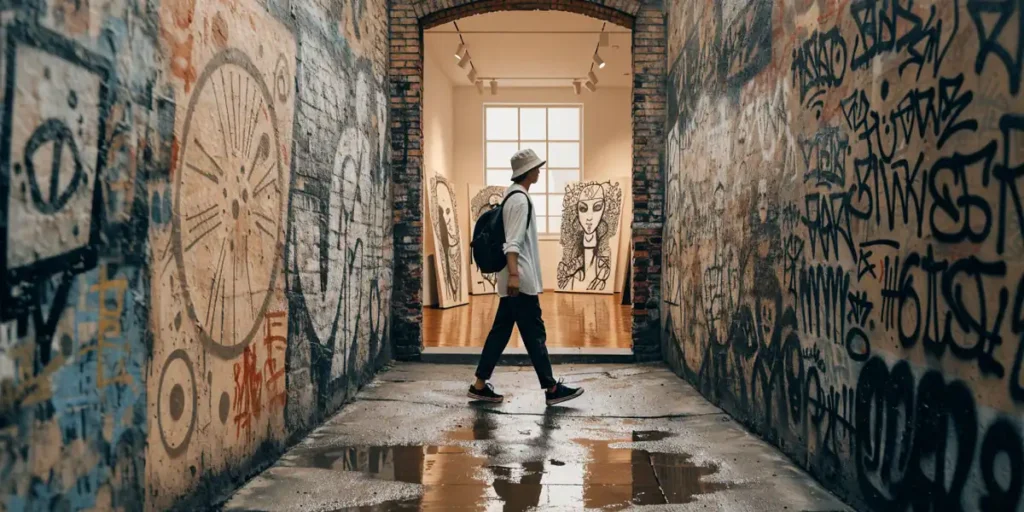
It’s 5:30am in a Melbourne laneway. The city is quiet, the coffee carts haven’t opened yet, and a stencil artist is crouched on the bitumen, aligning a hand-cut piece of acetate against a brick wall. A quick check over the shoulder, a few passes with a can of spray paint, and a portrait appears where a blank wall stood moments before. Fast forward a few years, and that same artist’s work is hanging in a commercial gallery with a price tag attached. How does that transition actually happen? We’ve watched enough careers unfold on the Australian scene to know it’s rarely an accident — it’s a mix of practice, documentation, community, and knowing which art prizes Australia has on offer.
The Laneway Is the Classroom: Learning Stencil Art Australia Style
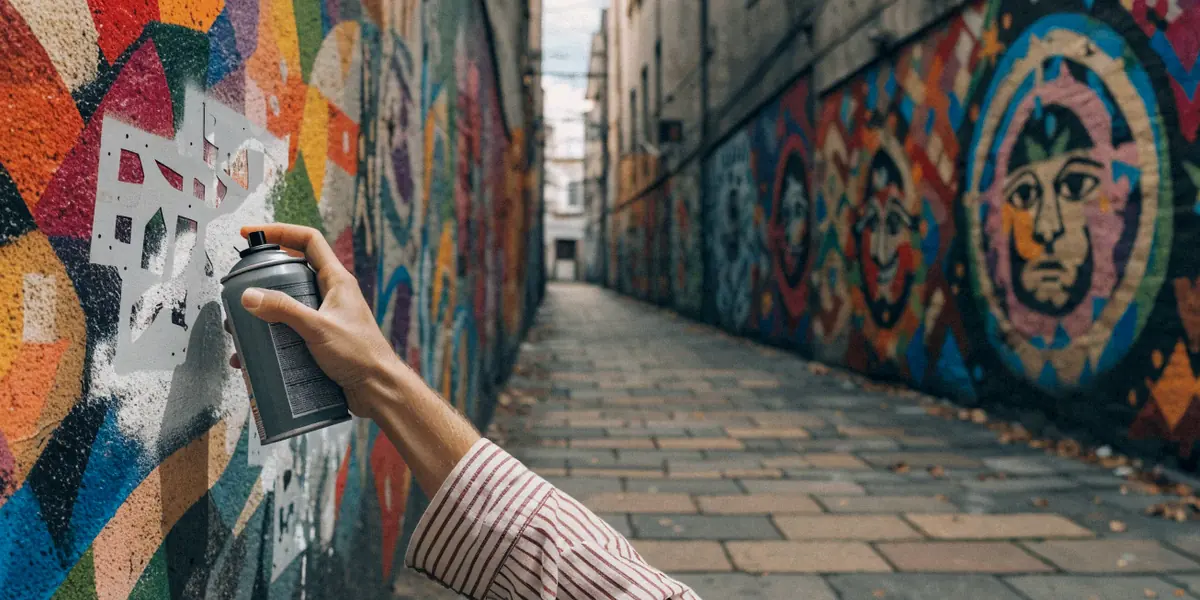
Most stencil artists in this country don’t come through art school. They learn in the street. The typical path starts with a sketchbook, a scalpel, some acetate or cardboard, and a wall that offers a bit of cover. Skills get built through repetition — cutting cleaner lines, testing pressure on a cap, learning how different surfaces drink paint. Paste-ups and stickers often come first because they’re forgiving, and the feedback loop is immediate: people stop, look, photograph, and occasionally comment while you’re still there. That informal critique is worth more than a semester of theory for a lot of artists.
Cutting Your First Spray Paint Stencils
The first spray paint stencils are usually rough. Most people start with a single-layer design, one colour, and a subject with strong contrast — a face, a silhouette, a bold graphic. The practical lessons come fast: use a sharp blade and change it often, bridge your islands so the design holds together, and don’t overspray or the edges bleed. We recommend starting on paper or cardboard before moving to acetate, and testing on a scrap surface before committing to a wall. Photograph everything, even the failures — they’re the reference library you’ll rely on later.
Why Melbourne Laneways Became the Training Ground
Hosier Lane in Melbourne is one of Australia’s most famous street art laneways and a key starting point for many stencil artists. It’s effectively a public gallery that changes weekly, and painting there means your work sits alongside pieces by people you’ve studied. The influence of artists like Ha-Ha, whose multi-layer stencil work became iconic on Melbourne walls, and Rone, now known for large-scale portrait murals and gallery exhibitions, gives newcomers a visible ladder to climb. The laneway teaches you pace, placement, and how to make a design read from a distance — all skills that translate directly to canvas and commissions.
Building a Name: From Illegal Walls to Legal Commissions
The shift from unsanctioned work to paid work isn’t a single moment — it’s a gradual slide. Councils run street art programs that legalise specific walls, festivals like Melbourne’s White Night commission large-scale pieces, and brands chasing urban art credibility start reaching out. The common thread for everyone who makes the jump is documentation. If nobody can find your work, nobody can offer you a wall.
Documenting Your Work Without Glorifying Trespass
Our advice is blunt: photograph the finished piece, not the process of getting there. Frame it as an artwork, credit yourself consistently under one name, and keep a simple portfolio site or Instagram grid that’s easy to scan. Don’t post location details for unsanctioned work, and don’t frame the story around rule-breaking — frame it around the art. Curators, councils, and brand managers are looking for professionalism, and a clean, well-lit catalogue of your work signals that you can be trusted with a paid wall.
Getting Your First Paid Wall or Mural
The first paid job usually comes through someone who’s already seen your work — a café owner, a local festival organiser, or a council program coordinator. Practical steps that work:
- Register with your local council’s street art or public art programs, which often list legal walls and call-outs.
- Enter open call-outs for festivals and laneway projects, even unpaid ones that put your work in front of the right people.
- Prepare a short quote template covering design time, materials, and wall preparation so you can respond quickly.
- Keep a small kit ready — stencils, caps, and a clean portfolio on your phone — because opportunities often appear in person.
The Prize Circuit: Art Prizes Australia Stencil Artists Target
Prizes are one of the fastest ways to convert street credibility into gallery credibility. A shortlisting or win gives a curator a reason to take your work seriously, and it gives you a line for your bio that doesn’t rely on laneway folklore. The good news is that the prize circuit in Australia is broader than most people realise.
Why the Australian Stencil Art Prize Matters
The Australian Stencil Art Prize is a dedicated prize for stencil artists and has helped launch careers both locally and internationally. Because it’s stencil-specific, your work is judged against people working in the same medium rather than against painters and sculptors. A placing or win here is a strong signal to galleries, and the touring exhibition format means your piece can be seen by audiences well beyond your home city. For anyone serious about stencil art Australia-wide, it’s the obvious first entry on the list.
Other Prizes and Grants Worth Entering
The Archibald Prize, while a portraiture prize, has included street and stencil-influenced artists, showing the blurring lines between urban art and traditional art prizes. Beyond that, local council art awards, regional gallery prizes, and small grants for public art are all worth the entry fee. We suggest entering a mix: one medium-specific prize, one local council award, and one grant application per year. Each entry forces you to finish a work to a deadline and gives you another line of recognition.
From Wall to Canvas: Translating Street Style Into Gallery Work
Scaling down is harder than it looks. A stencil that reads across a twenty-metre wall can feel flat on a 60cm canvas, because the distance that did the work for you is gone. Artists like Beastman and Numskull have navigated this transition successfully, and galleries such as Juddy Roller in Melbourne have built reputations on supporting street and urban artists through it. Juddy Roller is a Melbourne gallery and creative space that supports street and urban artists, and it’s a good example of the kind of venue where a laneway reputation can translate into a solo show.
Scaling Down: Composition and Detail on Canvas
On a wall, you design for impact at ten paces. On canvas, the viewer stands a metre away, so detail, texture, and layering matter more. We’ve seen artists add hand-cut multi-layer stencils, subtle background washes, and fine-line spray work to hold attention at close range. Composition changes too — a wall piece often spreads horizontally, while a canvas needs a tighter focal point. Expect your first few gallery works to feel like a different discipline, because they are.
Pricing, Editions, and Working With Galleries
Original canvases should be priced on size, complexity, and time — not on what a print sells for. Limited-edition prints are the accessible entry point for new collectors, and keeping editions genuinely limited protects both your reputation and your buyers’ investment. When approaching a gallery, bring a coherent body of work rather than a mixed bag, be clear about your commission split expectations, and ask how they handle framing, insurance, and consignment. A good gallery is a partner, not just a shopfront.
Sustaining a Career: Diversifying Income and Staying Relevant
Very few stencil artists survive on canvas sales alone. The sustainable careers we see are built on several income streams running at once: murals, workshops, merchandise, brand collaborations, and public art commissions. Trends in urban art move quickly, so staying relevant means paying attention to what’s being painted, what’s being collected, and where the commissions are coming from — without chasing every trend that appears on your feed.
Workshops, Talks, and Passing It On
Teaching is one of the most reliable income streams for stencil artists, and it feeds the scene at the same time. Libraries, councils, schools, and community centres regularly book stencil workshops, and festivals often want artist talks alongside the painting. Running a workshop also sharpens your own understanding of the craft — explaining why a bridge needs to be two millimetres wide forces you to think clearly about your process.
Brand Deals and Commercial Murals
Brands want urban art credibility, and that means commercial mural work is available for artists with a strong, recognisable style and a professional approach. The essentials are simple: a clear quote, a contract that covers design revisions and wall access, public liability insurance, and a portfolio that shows you can work at scale on a deadline. Keep the commercial work visually consistent with your personal work, or you’ll dilute the name you spent years building in the laneways.
Frequently Asked Questions
Do I need formal art training to become a stencil artist?
No. Most stencil artists we know learned through practice in laneways, paste-up exchanges, and community feedback rather than formal study. What matters is consistent output, a recognisable style, and documentation of your work.
How do I enter the Australian Stencil Art Prize?
Entries open annually through the prize’s official website, with submission details and deadlines published each year. Prepare high-quality photographs of your stencil work, read the entry conditions carefully, and allow time for delivery if your piece is shortlisted for the touring exhibition.
Can street art help me get into traditional art prizes?
Yes. The Archibald Prize, while a portraiture prize, has included street and stencil-influenced artists, showing the blurring lines between urban art and traditional art prizes. A strong portrait stencil can sit comfortably alongside painted entries.
Which Melbourne galleries support street and urban artists?
Juddy Roller is a Melbourne gallery and creative space that supports street and urban artists, and Metro Gallery has also shown work by artists with street backgrounds. We recommend visiting shows in person and talking to gallery staff before submitting a portfolio.
How do I price my first gallery canvas?
Start with your time, materials, and a fair hourly rate, then adjust for size and complexity. Keep limited-edition prints modestly priced to build a collector base, and raise original prices gradually as your exhibition history grows.
The path from laneway to gallery is rarely linear. Some artists move through prizes, others through commissions or a single viral mural, and plenty do all three at once. What ties the successful careers together is persistence, a genuine connection to the street art community, and a strategic approach to entering art prizes Australia-wide. Treat the laneway as your classroom, document everything, enter the right prizes, and the spray paint stencil habit you started at dawn can turn into a career that lasts.