Summer Street Art Walks Through Melbourne’s Laneways
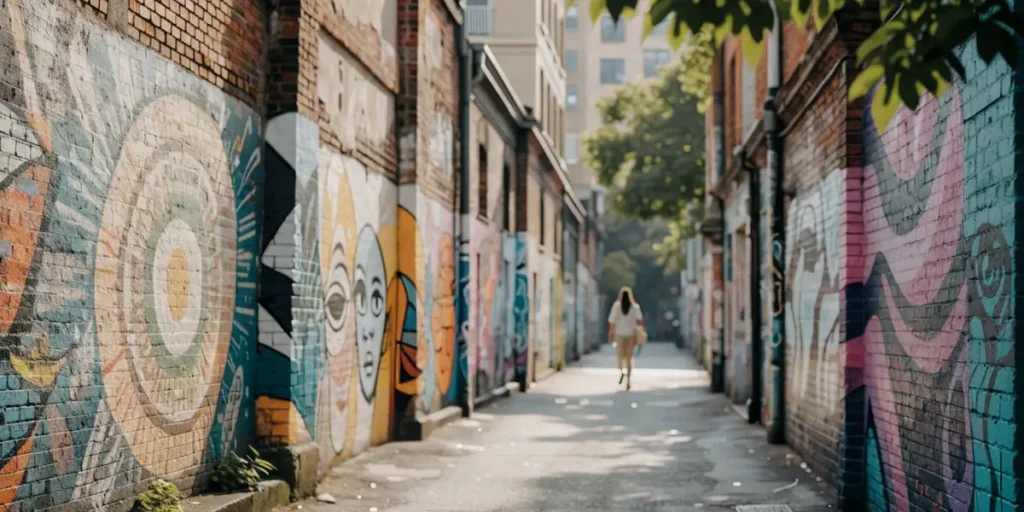
Step into a Melbourne laneway in January and the first thing that hits you is the heat—radiating off bluestone, trapped between brick walls, thick with the smell of spray paint and coffee. Then comes the sound: tour groups murmuring, cameras clicking, the distant hiss of an artist touching up a piece before the crowds arrive. And then the colour. Layer upon layer of stencil art, paste-ups, throw-ups and murals, stacked so densely that a single wall can hold a decade of the city’s creative history. This is why we think a summer street art walk through Melbourne’s laneways belongs on every visitor’s list—and why the city keeps getting called a global street art capital.
Why Melbourne’s Laneways Are a Summer Must-See
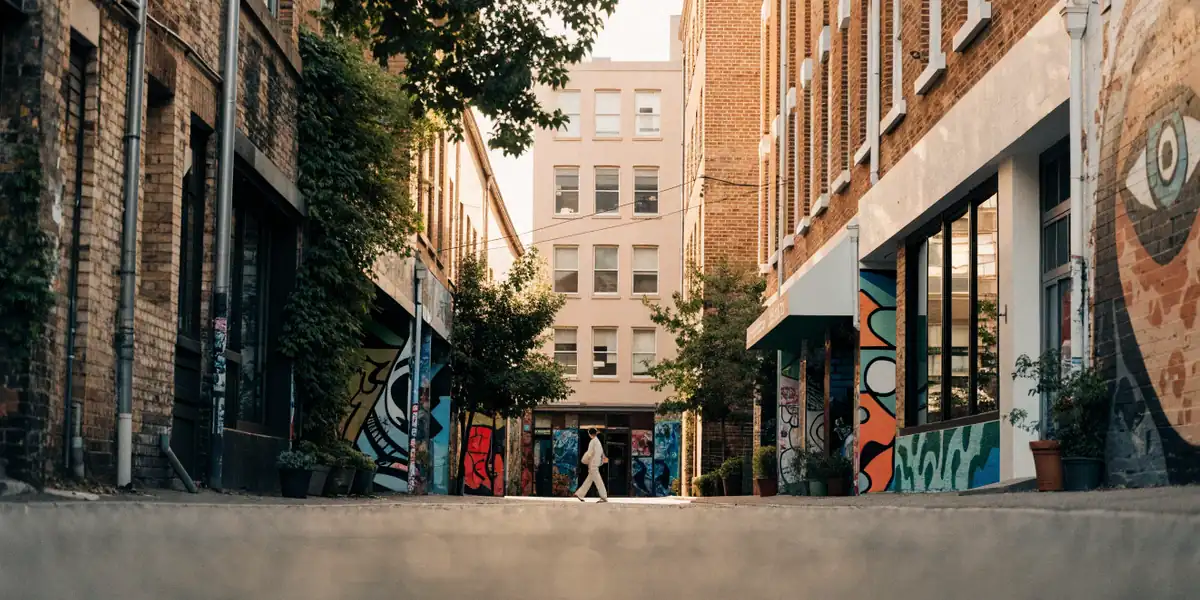
Melbourne’s reputation as Australia’s street art capital wasn’t manufactured by a tourism board. It grew organically from the city’s grid of narrow laneways and arcades, spaces that were never designed for galleries but became them anyway. In summer, those spaces come alive in a way that’s hard to match in winter—long daylight hours, festival crowds, and artists making the most of dry, warm conditions to paint outdoors. Stencil art sits at the heart of this identity, giving the city walls a graphic, layered look that’s instantly recognisable to anyone who follows urban art.
The Rise of Stencil Art in Australia
Stencil art arrived in Australia through the same channels as hip-hop and punk culture, but it found particularly fertile ground in Melbourne. The technique’s precision and speed suited a city with tight laneways and plenty of foot traffic, and its political edge resonated with a scene that valued message as much as image. Over the past two decades, stencil art Australia-wide has matured from a fringe practice into a recognised art form, with dedicated prizes, exhibitions and collectors. Melbourne remains its unofficial headquarters.
Summer Weather and Street Art Viewing
Summer changes how you experience the laneways. Daylight stretches past 8pm, so you can wander after work without a torch. The trade-off is heat and crowds—Hosier Lane can feel like a queue at a music festival by midday. We recommend walking early in the morning or on a weekday, when the light is softer and you can actually stand back from a wall without apologising to six people. Bring water, wear a hat, and treat the walk like the urban hike it is.
Essential Laneways for Your Summer Art Walk
You could spend a full day winding through the CBD’s laneways and still miss something. These three are the ones we’d never skip on a summer walk, each with its own personality and density of stencil work.
Hosier Lane: The Iconic Hub
Hosier Lane is the postcard. It’s the most photographed street art location in the country, and for good reason—the walls are repainted so frequently that no two visits look the same. Expect a mix of large-scale murals, intricate spray paint stencils, paste-ups and tags fighting for space. It’s also the spot most likely to have a tour group, a wedding party and a film crew at the same time. Go early, look up, and check the lower walls where smaller stencil pieces often get overlooked.
AC/DC Lane: Rock and Roll Street Art
Just off Flinders Lane, AC/DC Lane leans into its namesake with a rock-and-roll energy—portraits of musicians, bold lettering, and a revolving door of new pieces. It’s shorter than Hosier but often more inventive, partly because the foot traffic is lighter and artists can take more risks. The nearby bars mean it’s also a good spot for an afternoon stop.
Union Lane: Hidden Gems
Union Lane runs off Bourke Street and is easy to walk past if you’re not looking for it. That’s exactly why we like it. The lane is narrower and darker than Hosier, which makes the stencil work pop under direct light. You’ll find smaller, more detailed pieces here—faces, animals, typographic experiments—often by artists who are earlier in their careers but technically sharp.
Spotlight on Stencil Art Techniques and Artists
Stencil art rewards close looking. What reads as a single image from across the lane is usually built from multiple layers, each one a separate cut stencil, sprayed in sequence. Get close and you can see the registration marks, the overspray, the small misalignments that prove a human made it.
The Craft of Spray Paint Stencils
Most stencil artists work from a mix of photography, hand-drawn sketches and digital files, cutting their designs into acetate, Mylar or cardstock. A portrait might use four to eight layers, each adding a tone or a highlight. The choice of cap matters as much as the stencil itself—fine caps for detail, fat caps for coverage. Melbourne’s humidity and heat also affect how paint behaves, which is one reason summer pieces sometimes look softer or more blended than winter work.
Artists Shaping the Scene
Two names come up constantly when we talk about stencil art in Australia. Ha-Ha is one of the country’s most recognised stencil artists, known for multi-layered, often social and political imagery that has appeared on walls and in galleries internationally. Rone, originally a stencil artist, has become one of Australia’s most prominent street artists, famous for large-scale portraits of women and immersive installations in abandoned buildings. Both started in the laneways and both have shaped how the wider public understands urban art in this country.
Art Prizes and Events to Watch This Summer
Summer is peak season for art prizes Australia-wide, and street art is increasingly part of that calendar. If you’re planning a walk, timing it around an event can add a whole extra layer to the experience.
Australian Stencil Art Prize Highlights
The Australian Stencil Art Prize is the country’s dedicated showcase for the medium, drawing entries from across Australia and overseas. It’s the best single opportunity to see stencil work in a gallery context—framed, lit, and judged—rather than on a wall. For anyone who’s been following the scene through laneways, it’s a chance to see what the same artists do when they’re working on canvas or board instead of brick.
Other Summer Street Art Festivals
Beyond the prize circuit, summer brings a run of festivals and live-painting events across Melbourne and regional Victoria. These are worth watching because they often produce large new murals in a single weekend, and the public gets to watch the process. Check local council arts pages and street art blogs closer to the date—lineups shift year to year.
Tips for Your Self-Guided Summer Art Walk
You don’t need a guide to enjoy the laneways, but a little planning makes a big difference in January. Here’s what we suggest:
- Start early. Before 9am you’ll have Hosier Lane almost to yourself and much better light.
- Bring water and sunscreen. The lanes trap heat and offer little shade.
- Wear comfortable shoes. Bluestone is uneven and you’ll cover more ground than you expect.
- Look up and down. The best pieces aren’t always at eye level.
- Consider a guided option. Melbourne Street Art Tours runs regular walks with guides who know the artists and the stories behind specific walls.
- Check before you photograph people. Artists at work deserve space and consent.
Best Times to Avoid the Crowds
Weekday mornings are the sweet spot. Saturday and Sunday afternoons are the busiest, especially around Hosier Lane and Flinders Lane. If you’re visiting in peak holiday season, aim for a Tuesday or Wednesday and start before 10am. Late afternoon can also work well once the tour groups have moved on, though the light drops quickly in the narrower lanes.
Etiquette for Viewing Street Art
Street art is free to view but not free to make, and the laneways are working spaces as much as tourist attractions. Don’t touch wet paint, don’t lean on walls where artists are working, and don’t add your own marks—even small ones. If you see an artist mid-piece, a nod and a question is welcome; a phone in their face is not. Respect the work and the people making it, and the scene stays healthy for everyone.
FAQ
Is Hosier Lane the best place to see stencil art in Melbourne?
Hosier Lane is the most famous and the most consistently painted, so it’s a great starting point. But for stencil-specific work, we’d also send you to Union Lane and AC/DC Lane, where the density of layered stencil pieces is often higher and the crowds are lighter.
When is the Australian Stencil Art Prize held?
The prize runs on an annual cycle and typically opens for entries and exhibitions around the middle of the year, with associated events and showcases. Check the official site for current dates, as the schedule can shift year to year.
Do I need a tour to see Melbourne’s street art?
No—the laneways are free and walkable on your own. That said, Melbourne Street Art Tours offers guided walks that give you context on the artists, techniques and history, which can turn a pleasant stroll into a much richer experience.
Who are the most well-known stencil artists in Australia?
Ha-Ha and Rone are two of the most recognised names, both with roots in Melbourne’s stencil scene. Ha-Ha is known for layered, politically charged stencil work, while Rone has moved into large-scale portraiture and immersive installations.
What should I bring on a summer art walk?
Water, sunscreen, a hat, comfortable shoes and a charged phone or camera. If you’re walking multiple laneways, plan a mid-walk stop at a café or bar to cool down—Melbourne’s laneway culture makes that easy.
Melbourne’s laneways in summer are loud, hot, crowded and completely worth it. Whether you’re here for the Australian Stencil Art Prize, a festival, or just a wander past Hosier Lane, you’re walking through one of the most dynamic urban art scenes in the world. Take your time, look closely, and let the layers of stencil art Australia has produced tell you the story of the city one wall at a time.