Australian Art Prizes Opening for Entries in the New Year
The last of the summer mangoes are gone, the beach towels are dry, and the studio — or the garage wall you’ve claimed as your own — is calling. Every January we see the same thing happen: the holidays wind down, the inbox fills up, and somewhere between unpacking the car and finding the kids’ school shoes, a familiar itch returns. You want to make something. Better still, you want to enter something. And that’s good timing, because January is when the Australian art prize calendar effectively resets. Entries open, deadlines loom, and a fresh year of stencil art Australia-wide gets its first real shot at an audience.
Why the New Year Is Prime Time for Art Prize Entries
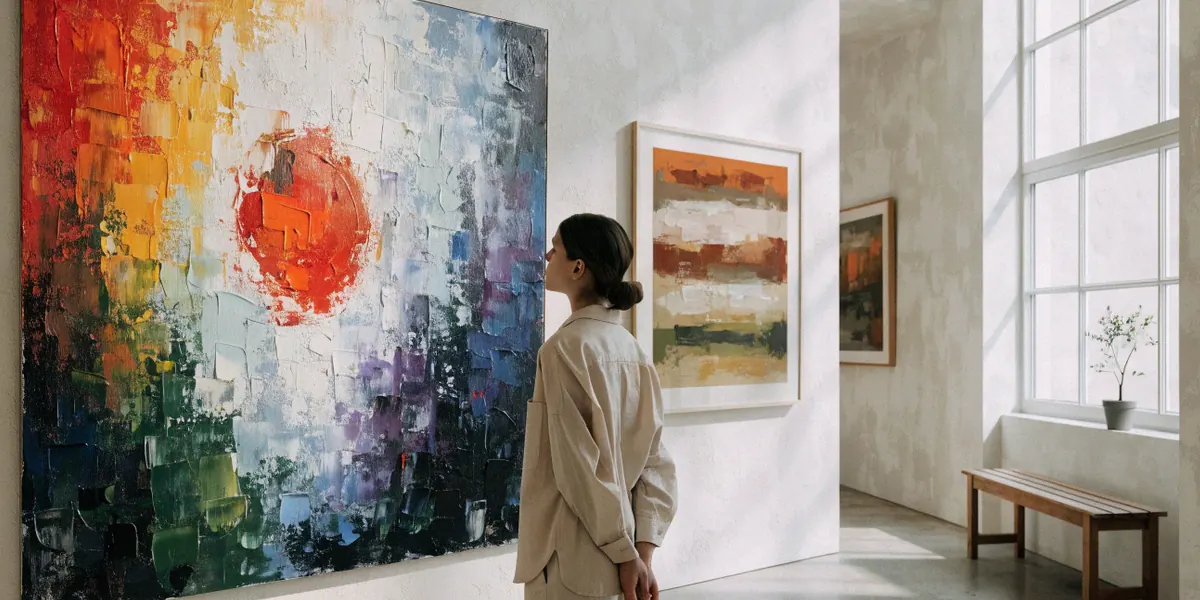
Most major Australian art prizes run on a predictable annual cycle, and that cycle starts in the first quarter. Galleries, councils and arts organisations finalise their calendars over the summer break and open entries from January onwards. If you’ve spent December sketching ideas on the back of receipts, January is when those ideas can actually go somewhere.
There’s also a practical advantage for stencil and urban artists. Spray paint stencils are one of the cheapest ways to produce competition-ready work. A few cans, a scalpel, some acetate or MDF, and a decent canvas will set you back far less than a full oil painting setup. That affordability means you can enter more prizes, experiment more freely, and treat each entry as a rehearsal rather than a career-defining gamble.
The Post-Holiday Creative Surge
We notice it every year in our own work: the weeks after New Year are unusually productive. The social calendar empties out, the heat keeps you indoors in the middle of the day, and there’s a psychological clean slate that makes starting a new piece feel easier. Use that surge. Block out two or three sessions a week in January before the year’s commitments pile up.
How Prizes Kickstart Your Artistic Year
A deadline is a gift. Entering a prize forces you to finish work, document it properly, and articulate what you’re doing — three skills that matter as much as technique. Even a rejected entry leaves you with a finished piece, a written statement, and photographs you can reuse for grants, exhibitions or your own portfolio. That’s a far better return than another unfinished canvas leaning against the wall.
Major Australian Art Prizes Opening in January and February
The big institutional prizes dominate early-year conversation, and for good reason. They’re competitive, but they’re also open to a wide range of artists, and the entry windows are tight enough that you need to plan now.
The Archibald, Wynne and Sulman Prizes
Run by the Art Gallery of New South Wales, these three prizes are the headline acts of the Australian art prize calendar. Archibald Prize entries typically open in January and close in February, so the window is short and unforgiving. The Archibald is for portraiture, and it remains the most talked-about prize in the country.
The Wynne Prize is for landscape painting or figure sculpture, and it’s often where you’ll see ambitious, large-scale work that wouldn’t fit the Archibald’s portrait brief. The Sulman Prize covers subject or genre painting, including murals, which makes it worth a look if your practice sits somewhere between fine art and street work. All three share a similar entry period, so if you’re considering more than one, start preparing in December.
The Darling Portrait Prize
Held at the National Portrait Gallery in Canberra, the Darling Portrait Prize is a newer addition to the landscape but has quickly become a serious target for portraitists. Entries generally open in the first half of the year, with the prize aimed at celebrating contemporary Australian portraiture. It’s a strong option if your stencil work leans figurative and you want an institutional credential outside Sydney.
The Brett Whiteley Travelling Art Scholarship
The Brett Whiteley Travelling Art Scholarship is for young artists — generally those aged 20 to 30 — and awards funds for overseas travel and study. It’s administered through the Art Gallery of New South Wales and typically opens early in the year. If you’re an emerging stencil or urban artist with a few solid works behind you, this is one of the most valuable opportunities on the calendar because it funds time and development, not just a cash prize.
Stencil and Street Art Prizes to Watch
The institutional prizes are worth entering, but they’re not the only game in town. A growing number of awards specifically welcome urban art, and these are often where stencil artists have the strongest chance.
The Stencil Art Prize
The Stencil Art Prize is an Australian prize dedicated to stencil art, and it’s the single most relevant competition for anyone working with spray paint stencils. It attracts entries from across the country and internationally, and it’s built around exactly the techniques we care about: hand-cut layers, aerosol application, and considered composition. If you only enter one prize this year, make it this one.
Metro Tunnel Creative Program
The Metro Tunnel Creative Program supports street art in Melbourne, commissioning and showcasing work across the city’s transport infrastructure. It’s not a traditional prize with a single winner, but it functions as a major platform for street art Melbourne-based artists and often opens expressions of interest in the early months of the year. It’s a genuine pathway to large-scale public work.
Local Council Street Art Awards
Councils across Australia — from inner Melbourne to regional centres — run their own street art awards, mural commissions and youth arts prizes. These are less famous but far easier to win, and they often come with a wall, a budget and real visibility. Check your local council’s arts page in January; many programs open entries quietly and close them just as quietly.
- Metro Tunnel Creative Program — Melbourne CBD and surrounds
- Stencil Art Prize — national, stencil-specific
- Council mural and street art awards — check individual council arts pages
- National Gallery of Victoria’s Top Arts — for VCE students and recent graduates
How to Prepare Your Entry: Tips from Our Team
We’ve entered a lot of prizes and judged a few as well, and the same avoidable mistakes come up again and again. Here’s what we’d focus on.
Documenting Your Work
Photograph your spray paint stencils properly. Use soft, even light — overcast daylight or two diffused lamps — and shoot straight on so the edges of your layers are crisp. Avoid flash, avoid harsh shadows, and avoid photographing a canvas on a wall with a distracting background. Check the prize’s file requirements carefully; most specify resolution, format and file size, and an otherwise strong entry can be disqualified on a technicality.
Writing an Artist Statement
Keep it specific. Tell the judges what the work is about, how you made it, and why stencil was the right medium for the idea. Avoid vague language about “exploring the human condition.” One clear paragraph beats three poetic ones. If the prize asks for a statement of a set length, respect it exactly.
Avoiding Common Pitfalls
- Missing the deadline — Archibald entries close in February, and late entries are not accepted.
- Ignoring the terms and conditions — read them in full, especially around eligibility, residency and age.
- Entering the wrong category — the Wynne Prize is for landscape painting or figure sculpture, not portraiture.
- Submitting poor images — bad photography sinks good work.
- Forgetting to insure or track your delivery if physical works are required.
Key Dates and Deadlines for Your Diary
These are approximate windows based on recent years. Always confirm with the official prize website, because dates shift.
January Openings
- Archibald, Wynne and Sulman Prizes — entries typically open in January
- Brett Whiteley Travelling Art Scholarship — usually opens early in the year
- Various council street art awards — check local listings
February and March Deadlines
- Archibald Prize entries — typically close in February
- Wynne and Sulman Prize entries — close around the same period
- Stencil Art Prize — entries generally close in March
- Metro Tunnel Creative Program — expressions of interest vary; check the official site
Set calendar reminders two weeks before each deadline. That buffer is the difference between a rushed submission and a considered one.
Frequently Asked Questions
Can I enter stencil work in the Archibald Prize?
Yes, provided the work is a portrait and meets the prize’s medium and size requirements. Stencil and aerosol works have appeared in the Archibald before, so don’t assume it’s oil painters only. Read the conditions of entry carefully before you start.
What is the best prize for stencil artists in Australia?
The Stencil Art Prize is the most directly relevant, since it’s an Australian prize dedicated to stencil art. The Metro Tunnel Creative Program is also worth pursuing if you’re based in or near Melbourne and want public-scale work.
How much does it cost to enter these prizes?
Entry fees vary widely. Some institutional prizes charge around $50 per entry, while many council awards are free. Factor fees into your budget if you’re entering several prizes, and prioritise the ones that best match your practice.
Do I need to be a professional artist to enter?
No. Most prizes have open categories, and several — including the Brett Whiteley Travelling Art Scholarship and NGV’s Top Arts — are specifically designed for emerging or young artists. The main barriers are eligibility rules around age and residency.
Where can I find out about new prizes opening in my area?
Check your local council’s arts and culture page, follow state galleries and arts organisations on social media, and keep an eye on the Stencil Art Prize and Metro Tunnel Creative Program websites. We also round up openings on this blog throughout the year.
Entering art prizes isn’t really about the win. It’s about joining a community of artists who are all doing the same thing — finishing work, putting it forward, and getting better in the process. Whether you’re cutting your first spray paint stencil or you’ve been entering for years, the new year is the right moment to start. Pick one prize, block out the time, and get the work on the wall.