From Street to Gallery: Selling Stencil Works
There’s a raw energy to street stencil art that galleries can’t manufacture. The hiss of a can, the quick layering of a design on a wall before anyone notices, the way a stencil can turn a blank surface into a statement in minutes — that’s the spirit that drew most of us to this medium in the first place. But something has shifted in Australia. Collectors are now actively seeking out stencil work, and the market for selling these pieces — both originals and editions — has grown into something real. We’ve watched artists move from tagging laneways in Melbourne and Sydney to hanging work in commercial galleries and shipping prints to buyers overseas. This guide walks through how that transition actually works, from preparing your pieces to pricing them fairly and finding the right buyers.
The Evolution of Stencil Art: From Illegal Walls to Legitimate Sales
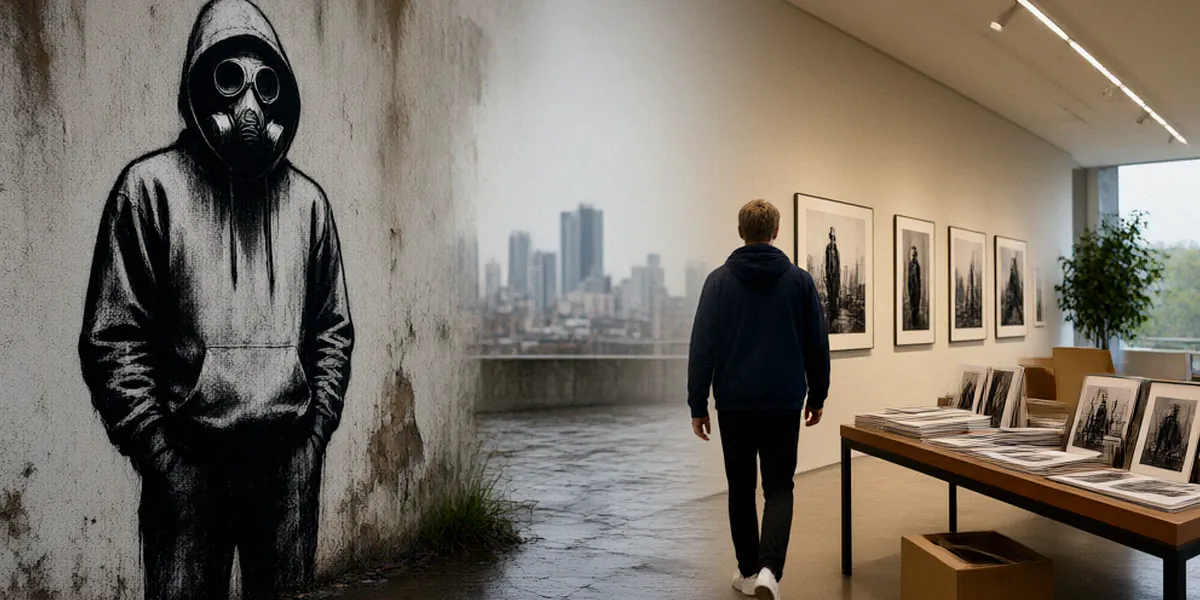
Stencil art didn’t arrive in galleries by accident. It earned its place through decades of practice on walls, trains, and abandoned buildings, gradually building a reputation for sharp imagery and political bite that canvas painting often lacks. In Australia, that shift accelerated as festivals, prizes, and dedicated exhibitions started treating stencil work as a legitimate art form rather than a novelty. The commercial result is that a stencil piece once painted illegally on a Fitzroy wall can now be documented, editioned, and sold to a collector in Perth or Berlin.
How the Australian Stencil Art Prize Changed Perceptions
The Australian Stencil Art Prize has been one of the most significant legitimisers of the medium in this country. By giving stencil artists a dedicated platform with proper judging, exhibition space, and media coverage, it signalled to galleries and collectors that this isn’t a side project — it’s a discipline. Artists who have placed or exhibited through the prize regularly report increased interest from buyers, and the prize’s network has become a genuine launchpad for careers that might otherwise have stayed confined to street walls.
The Role of Street Art Festivals in Commercial Exposure
Festivals like Wonderwalls in Wollongong, Big City Lights, and various council-backed mural programs have done enormous work in normalising street art for mainstream audiences. When a local council commissions a large-scale stencil or mural piece, it puts the artist’s name in front of people who would never set foot in a graffiti supply store. That exposure often converts directly into sales — someone sees a wall, looks up the artist, and buys a print.
Preparing Your Stencil Works for Sale
The gap between a great street piece and a sellable artwork comes down to preparation. Collectors want confidence that what they’re buying is authentic, durable, and properly documented. Here’s how we approach it.
Documenting and Authenticating Street Pieces
Before a street piece gets buffed or weathered, photograph it properly — high resolution, straight-on, with consistent lighting. Record the location, date, and any collaborators. This documentation becomes your provenance. If you later sell a canvas version or a print of that design, having the original street context documented adds real value and story.
Choosing Surfaces and Materials for Longevity
Not all spray paint ages well. For gallery-ready work, we recommend quality brands like MTN 94 spray paint, which offers a matte finish and strong pigment load, or Ironlak spray paint, a favourite among Australian writers for its colour range and reliability. Surfaces matter too — stretched canvas, birch panel, and archival paper all hold stencil work well, but each behaves differently with aerosol. Test before you commit to a large piece.
Editioning and Signing Your Work
Limited editions create scarcity and make pricing easier. Decide upfront how many prints or reproductions you’ll release, number them clearly (1/20, 2/20, and so on), and sign each one. Include the title, year, and edition size. For original stencil works on canvas or panel, a signature and date on the reverse is standard practice, along with a small certificate of authenticity for higher-value pieces.
Where to Sell: Galleries, Online Platforms, and Art Prizes
There’s no single right channel — most successful stencil artists we know sell through a mix of physical galleries, online platforms, and prize-driven exposure.
Approaching Commercial Galleries
Commercial galleries want to see a coherent body of work, not a scattered portfolio. Build a consistent series, prepare a professional portfolio with high-quality images and an artist statement, and approach galleries whose existing roster aligns with your style. Street art-friendly spaces in Melbourne, Sydney, and Brisbane are more open to stencil work than traditional fine art galleries, so start there.
Online Marketplaces for Australian Artists
Bluethumb is one of the most accessible online galleries for Australian artists, with a straightforward submission process and a built-in collector base. Other options include Art Lovers Australia and your own Shopify or Squarespace store. Online sales work best when your Instagram presence is strong and your pricing is transparent.
Using Art Prizes as a Sales Launchpad
Prizes aren’t just about winning. Finalist exhibitions put your work in front of buyers, curators, and media. The Australian Stencil Art Prize, in particular, functions as a de facto marketplace — collectors attend, and artists frequently sell work directly from the exhibition. Treat every prize entry as a marketing opportunity, not just a competition.
Pricing Your Stencil Art: Balancing Street Cred and Gallery Value
Pricing stencil art is tricky because the market is younger than traditional painting. You’re balancing street reputation against gallery expectations, and getting it wrong either leaves money on the table or scares buyers off.
Factors That Determine Price
- Size and complexity: Larger, multi-layered stencils command higher prices than simple one-colour pieces.
- Edition size: Smaller editions (under 20) are worth more per print than open editions.
- Reputation: Artists like Rone, known for his haunting large-scale portraits, and Ha-Ha, celebrated for his intricate multi-layer stencils, can command significantly higher prices than emerging artists — their track record justifies it.
- Provenance: Work that has appeared in prizes, festivals, or notable street locations carries a premium.
- Materials: Archival surfaces and premium spray paint justify higher pricing than quick street pieces on found materials.
Common Pricing Mistakes to Avoid
Underpricing to seem accessible is the most common error — it signals low confidence and makes it hard to raise prices later. Overpricing early in your career without the reputation to support it also backfires. And inconsistency — charging different buyers wildly different amounts for similar work — damages trust. Set a price list and stick to it, adjusting only as your reputation genuinely grows.
Marketing Your Work: Building a Brand Around Stencil Art
Your brand is what turns a buyer into a repeat collector. For stencil artists, that brand is built on a mix of process, personality, and place.
Social Media for Street Artists
Instagram remains the primary platform for visual artists, but TikTok has become surprisingly effective for stencil work — time-lapse videos of a stencil being cut and sprayed regularly pull huge engagement. Show your process, not just your finished pieces. Behind-the-scenes content from street walls, studio sessions, and prize preparations builds the kind of connection that leads to sales.
Networking at Australian Art Events
Get to openings, prize exhibitions, and street art festivals. The Australian Stencil Art Prize community in particular is worth engaging with actively — the artists, judges, and organisers in that network are often the ones who introduce you to gallerists and collectors. Relationships in this scene convert into opportunities faster than cold outreach ever will.
Legal and Ethical Considerations for Selling Stencil Art
This is the part most artists skip, and it’s the part that can cause real problems later.
Copyright and Derivative Works
If your stencil uses someone else’s photograph, logo, or artwork as a source, you may be creating a derivative work that infringes copyright — even if you’ve transformed it significantly. Using found imagery is common in street practice, but selling that work commercially is a different legal territory. Where possible, use your own photography, public domain sources, or obtain permission.
Indigenous Cultural Protocols in Street Art
Australia has specific cultural protocols around Indigenous imagery and stories. Non-Indigenous artists should never appropriate Aboriginal or Torres Strait Islander motifs, symbols, or stories without permission and proper consultation. This isn’t just an ethical matter — it’s increasingly a legal and reputational one, and galleries and collectors are paying attention.
FAQ
Can I sell stencil art that started as an illegal street piece?
You can sell reproductions or canvas versions of a design, but the original street piece itself isn’t a sellable object — it belongs to the wall. Document it, then create gallery-ready editions from the same stencil if you want to monetise the design.
What’s the best spray paint for stencil art that will be sold?
MTN 94 spray paint and Ironlak spray paint are both widely used by Australian stencil artists for their pigment quality, colour range, and archival behaviour. MTN 94 has a matte finish that suits gallery work, while Ironlak is favoured for its reliability and value.
How do I price my first gallery piece?
Start by researching comparable work on Bluethumb and in local galleries. Factor in size, edition size, and materials. For a first sale, aim for a price that feels fair to you and defensible to a collector — not the cheapest, not aspirational.
Is the Australian Stencil Art Prize worth entering?
Yes. Beyond the prize money, finalist exhibitions generate real sales, media coverage, and gallery interest. Many artists treat it as their primary annual marketing event.
Do I need a certificate of authenticity for stencil prints?
For editions over $200, we strongly recommend it. A simple signed document listing the title, edition number, year, and materials protects both you and the buyer, and it’s expected practice at higher price points.
Selling stencil art is ultimately about holding two things at once: the commercial discipline of editioning, pricing, and marketing, and the rebellious energy that made you pick up a can in the first place. The artists who succeed long-term are the ones who don’t let the gallery world sand off the edges of their work. Engage with the Australian Stencil Art Prize community, keep documenting your street pieces, and treat every sale as a chance to bring more people into the culture — not just to move product.