Melbourne’s Laneways: A Street Art Walk Through the City’s Best Spots
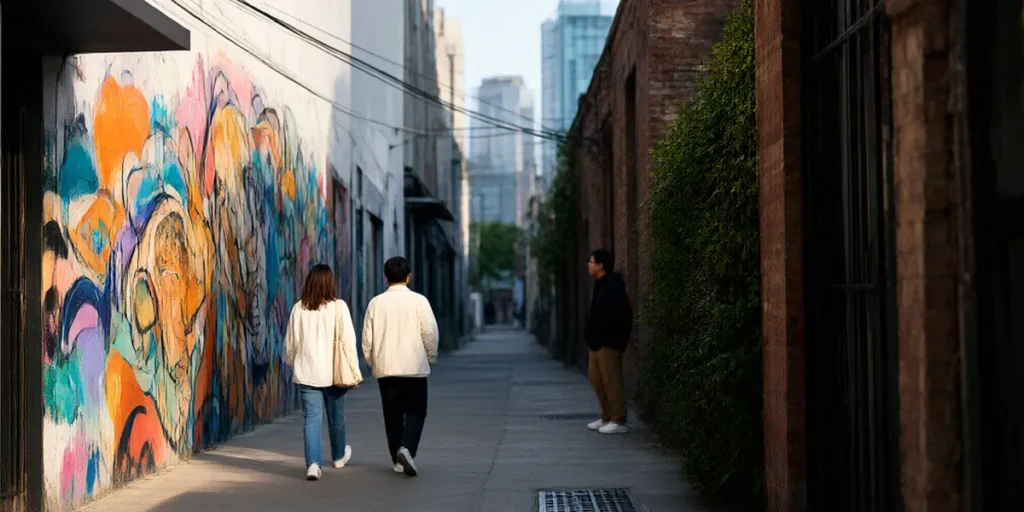
We still remember the first time it happened. We were cutting through the CBD on a mundane errand, turned a corner into a narrow bluestone lane, and suddenly found ourselves face-to-face with a towering spray paint mural that stretched three storeys high. The colours, the scale, the sheer audacity of it — we were hooked instantly. That’s the thing about Melbourne: the city’s best art gallery doesn’t have a roof, a ticket booth, or opening hours. It’s painted across the walls of its laneways, and it changes every time you visit. This guide is our walkthrough of the spots that matter most, from the world-famous to the quietly brilliant, plus everything you need to know about the stencil art and street art culture that keeps this city buzzing.
Why Melbourne’s Laneways Are a Street Art Mecca
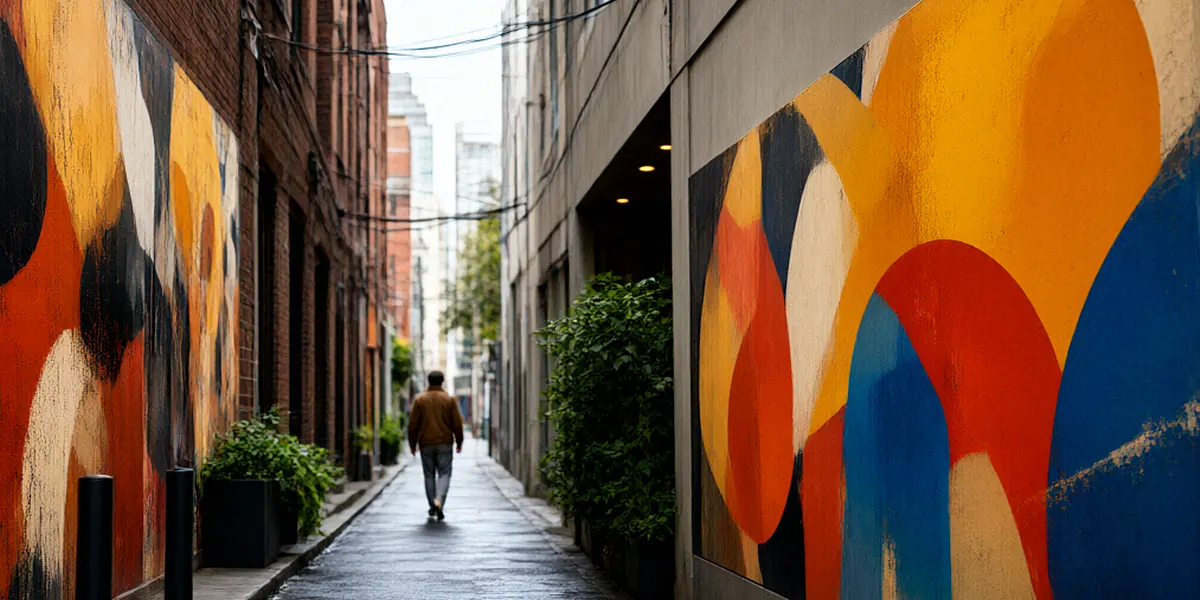
Melbourne didn’t set out to become one of the world’s great street art destinations. It happened organically. The city’s narrow laneways were originally designed as service alleys — places for deliveries, rubbish collection, and back-door access. By the 1990s and early 2000s, artists began treating these forgotten corridors as canvases, and rather than cracking down, the city largely tolerated it. That tolerance, combined with a thriving independent arts culture, turned Melbourne into a global street art capital.
The History of Melbourne’s Street Art Scene
The scene grew from small, illegal tags and paste-ups into a sophisticated culture of murals, stencil art, and large-scale commissions. International artists started making pilgrimages to Melbourne, and local artists began travelling overseas and bringing ideas back. What made it stick was the constant turnover — walls are repainted, layered over, and reinvented, so the laneways never look the same twice.
How the City Embraced Street Art
Councils eventually recognised the tourism and cultural value of the laneways, and what began as a tolerated underground practice became a celebrated part of Melbourne’s identity. Today, street art is embedded in the city’s cultural policy, and businesses actively commission artists to paint their walls. It’s a rare example of a city deciding to work with its artists instead of against them.
Hosier Lane: The Heart of Melbourne Street Art
If there’s one name you already know, it’s Hosier Lane. Hosier Lane is Melbourne’s most famous street art laneway, and it earns that title every single day. Running off Flinders Street near Federation Square, its cobblestones and bluestone walls are covered floor-to-ceiling in an ever-changing layer of spray paint, stencil art, paste-ups, and murals.
What You’ll See in Hosier Lane
Expect everything: political statements, intricate stencil art, wildstyle lettering, portraits, and abstract colour explosions. The walls change constantly — a piece you photograph in the morning might be partially covered by the afternoon. That impermanence is the point. Bring a camera, but also just stand and look; the density of work rewards slow observation.
Rutledge Lane and Nearby Gems
Rutledge Lane curves around the back of Hosier Lane and is often slightly quieter, making it easier to take in the work without dodging crowds. Together, the two lanes form the core of any serious street art walk, and they’re the best starting point for first-timers.
Beyond Hosier: Other Must-Visit Laneways
Hosier gets the headlines, but Melbourne’s street art map runs much deeper. These lanes each have their own personality, and skipping them means missing half the story.
AC/DC Lane and Duckboard Place
AC/DC Lane is named after the band and features music-themed street art, which makes perfect sense given its location near the city’s live music venues. You’ll find portraits of rock legends, band iconography, and bold murals that nod to Melbourne’s rock heritage. Duckboard Place, just around the corner, offers a tighter, more intimate stretch of walls with a strong mix of stencil art and hand-painted pieces.
Union Lane and Presgrave Place
Union Lane, off Bourke Street, is a long, narrow corridor packed with colour and constantly refreshed by new artists. Presgrave Place is smaller and quirkier — it’s known for its tiny framed artworks and miniature installations alongside the spray paint, giving it a character unlike anywhere else in the city.
- Hosier Lane & Rutledge Lane — the iconic starting point, constantly changing
- AC/DC Lane & Duckboard Place — music-themed murals and rock history
- Union Lane — a long, dense corridor of colour off Bourke Street
- Presgrave Place — tiny framed works and miniature installations
The Australian Stencil Art Prize and Its Impact
Stencil art holds a special place in Australia’s street art story, and the Australian Stencil Art Prize is a key event for stencil artists in Australia. It’s given a dedicated platform to a technique that can sometimes be overshadowed by freehand spray paint murals, and it’s helped push the craft into galleries and public consciousness alike.
Notable Winners and Their Work
Past winners have ranged from emerging artists experimenting with multi-layered stencils to established names producing technically astonishing, photo-realistic work. The prize consistently showcases how far the medium can be pushed — intricate hand-cut stencils, dozens of colour layers, and compositions that hold their own against any painted mural.
How the Prize Shapes the Scene
Beyond the winners, the prize encourages artists to experiment with spray paint and stencils in new ways, and it connects Australian stencil artists with a broader national and international audience. For anyone serious about the medium, it’s the benchmark event on the calendar.
Tips for Your Self-Guided Street Art Walk
You don’t need a guide or a ticket to explore Melbourne’s laneways — just comfortable shoes and a bit of curiosity. A little planning makes the experience much better, though.
When to Go and What to Bring
Early mornings are best: fewer crowds, softer light for photos, and a better chance of seeing a wall before it changes. Weekday mornings are quieter than weekends. Bring a fully charged phone or camera, water, and a portable charger. If you’re visiting multiple lanes, plan a rough route so you’re not doubling back through the CBD.
Etiquette and Respect for Artists
Remember that these are living works, not museum pieces. Don’t touch wet paint, don’t add your own marks unless you’re genuinely part of the scene, and give artists space if you spot them at work. Ask before photographing people, and never block foot traffic or doorways. Resources like the Melbourne Street Art Map can help you navigate and understand what you’re looking at.
Where to See Stencil Art and Spray Paint in Action
Part of the magic of Melbourne’s scene is that it’s alive. If you time it right, you won’t just see finished walls — you’ll see them being made.
Blender Studios and Blender Lane
Blender Studios is a hub for street artists in Melbourne, operating as a working studio and creative space for a community of artists. Blender Lane, right beside it, is regularly repainted and hosts the Blender Lane Artists’ Market, where you can meet artists, watch live painting, and buy work directly.
Spotting Live Art and Events
Keep an eye out for festivals, laneway events, and commissioned mural projects, which often bring artists out to paint in public. Local legends like Rone, a renowned Melbourne street artist known for large-scale portraits, have shaped how the city sees its own walls. You never know when you’ll round a corner and find someone mid-can.
Frequently Asked Questions
Is Hosier Lane free to visit?
Yes. Hosier Lane and all of Melbourne’s street art laneways are free and open to the public 24 hours a day. There’s no ticket, no gate, and no opening hours — just walk in.
What’s the best time to photograph the laneways?
Early morning on a weekday gives you the best combination of soft natural light, fewer people, and freshly painted walls before the crowds arrive.
Can anyone paint in Melbourne’s laneways?
Not legally, no. While the culture is tolerant, painting on walls without permission is still technically illegal in most cases. Many walls are managed or curated, and some are commissioned. If you want to paint, look for organised events, legal walls, or studio programs rather than adding to a wall uninvited.
How often does the art in Hosier Lane change?
Constantly. Some pieces last weeks, others are painted over within days. There’s no schedule — the walls evolve organically as artists layer new work over old.
Where can I learn more about the Australian Stencil Art Prize?
The prize is a key event for stencil artists in Australia and showcases the best of the medium nationally. Keep an eye on its official channels for entry dates, finalists, and exhibition details each year.
Melbourne’s street art isn’t something you tick off a list and move on from — it’s a living, breathing part of the city that rewards repeat visits. Grab a map, pick a lane, and start walking. Take your time, look up, look down, and let yourself get lost in the details. And when you find something that stops you in your tracks, share it — because the whole point of this scene is that it belongs to everyone, and it’s never finished evolving.